
The pursuit of the perfect little business idea has been in the back of my mind for the past seven years. I’ve brainstormed and explored a few dozen product ideas, from micro-services marketplaces for founders to video editing tools to EA startups. But if I’m honest with myself, nothing has felt like something I’d want to do for more than a few months at a time.
The cycle goes like this: I stumble upon some niche use case for a product I regularly use. I spend time looking for a niche product built for that use case. I fail to find it. I start believing I can build something there. Then, the more I think about it, the more I wish someone else would do it, because I don’t want to dedicate years of my life to a silly use case.
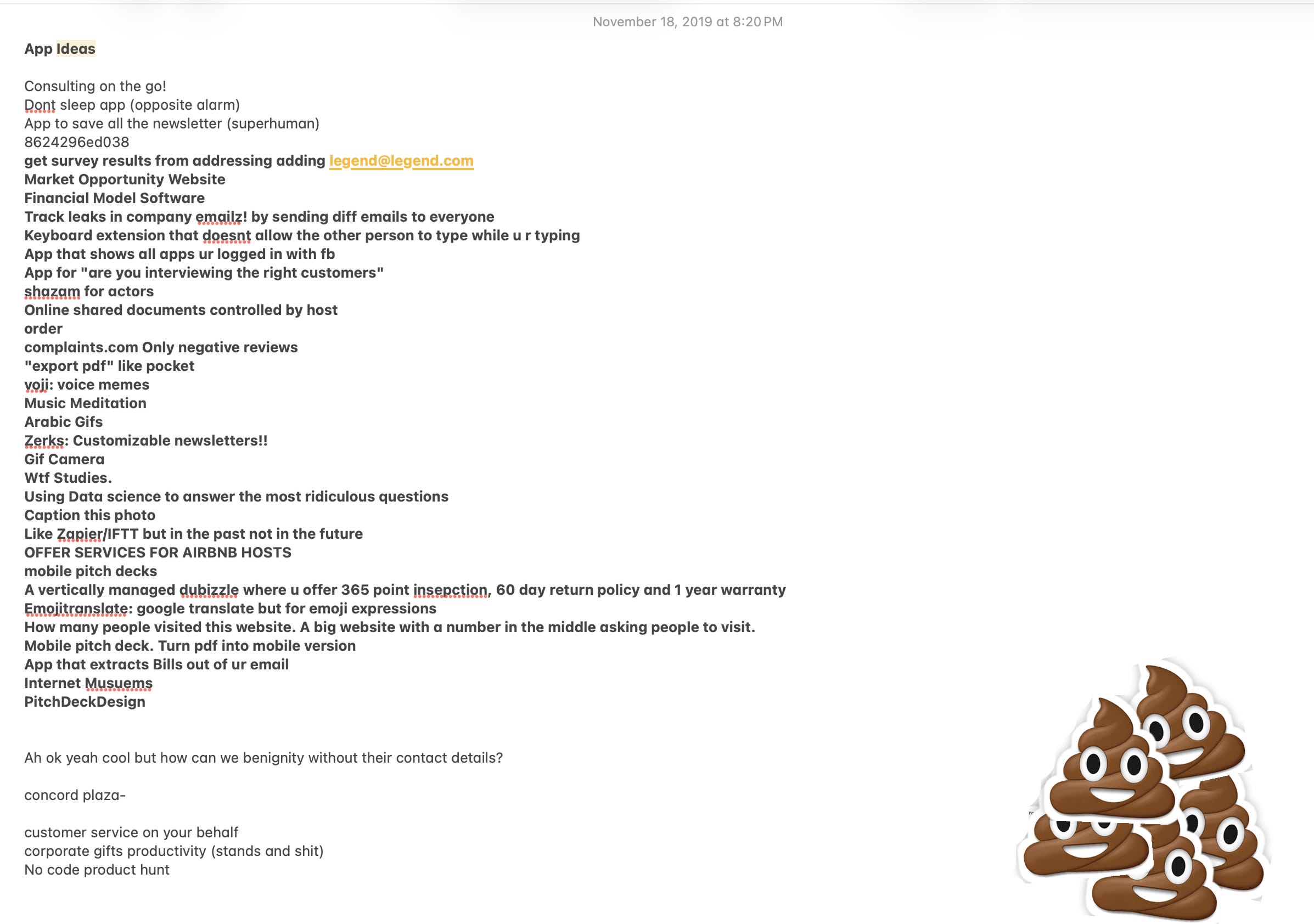
This cycle repeated so often that I started having different versions of the same ideas at different times, and I couldn’t even remember what the first idea was. That was the first push for me to start writing every thought down, a habit I continue to this day, not just for product ideas, but also for musings, learnings, feelings, and the back-and-forth debates I often have with the voices inside my head. I’ve added a snapshot of my 2019 ideas journal below, the earliest I could find. As you can probably tell, none of these are exactly screaming “go all in.”
2022-2023: Beginning of my Duolingo journey
In 2022, I joined Duolingo working on retention, but I soon transitioned to monetization, which is where I truly found my footing. Duolingo was a great place to start, and it helped channel the endless chaos of ideas in my brain by teaching me the ingredients that go into building a product users love.
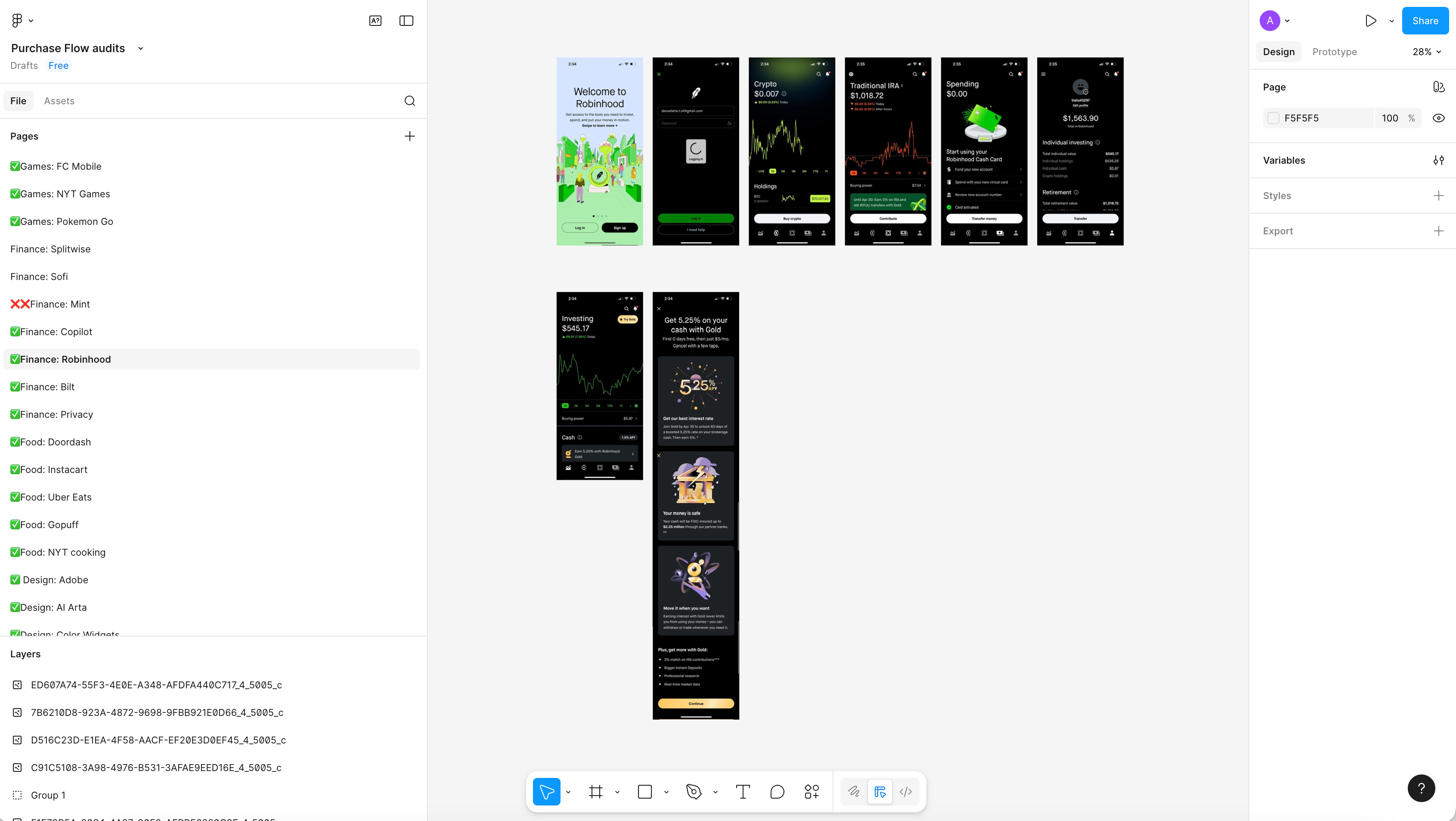
The thing that stood out to me the most at Duolingo was how the entire product org was geared toward studying what works in larger consumer apps with similar business models, usage patterns, or problem to solve (in our case it was getting people to build a hard habit). Everyone, from our Chief Product Officer to product interns, does the following on a day to day basis: (1) study past experiments, (2) study relevant flows from other great consumer products, (3) come up with A/B tests to validate or invalidate hypotheses, and (4) double down on what works. Colloquially, we call this “bread-and-butter” product work.
As a young product manager with something to prove, I went all in on competitive analysis. I started compiling the purchase flows and subscription hooks, the core flows my team owned at the time, across the top 10 apps in each App Store category (about 220 apps total). Every six months, I revisited these apps, tracked what had changed, and did team brainstorms to use those insights, along with our knowledge of Duolingo’s historical purchase flow A/B tests, to refine (and beef up) our roadmap.
The results from these experiments were a thing of beauty. Many incremental dollars were added to Duolingo’s topline as a result and I started to develop a reputation within monetization of having a good ROI compass for monetization features.
—
2023-2024: Automating flow capture and analysis from consumer apps
These flow audits were time-consuming and I don’t think I would have kept at it for years given the effort required had GPT4-vision not come about in late 2023.
In January of 2024, a few months after GPT4-vision was released, I started automating the comparison process for purchase flows I started a 1-2 years ago. With some help from Apple’s shortcuts app and Replit, I wrote a script to have GPT4-vision compare updated screenshots to older ones I had of purchase flows from the apps I tracked. It also wrote a 3 sentence summary of the changes.
That cut the time I spent on these audits by maybe 60-80%.
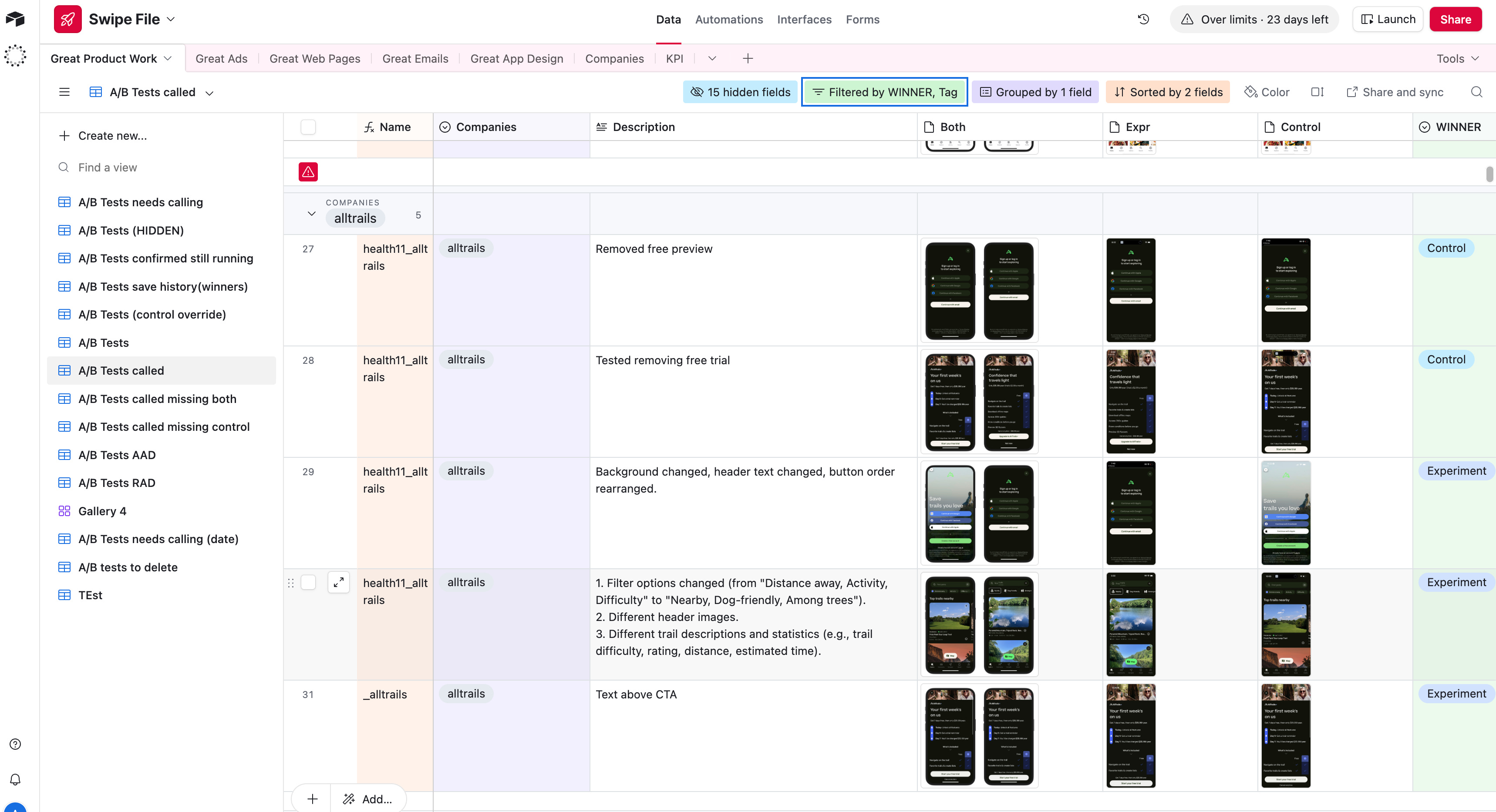
While time investment went down, the end result were not amazing. GPT4-vision was good about 50% of the time and wouldn’t take much to trip it up. For instance, if I changed the screen brightness when capturing screenshots, the model would go nuts and imagine all sorts of changes that were not present.
—
2024: The First1000 Hiatus Begins
When 2024 came about I started taking on bigger and bigger projects at Duolingo, including our new years promo last year, and new ad format we called modular ads (see below)

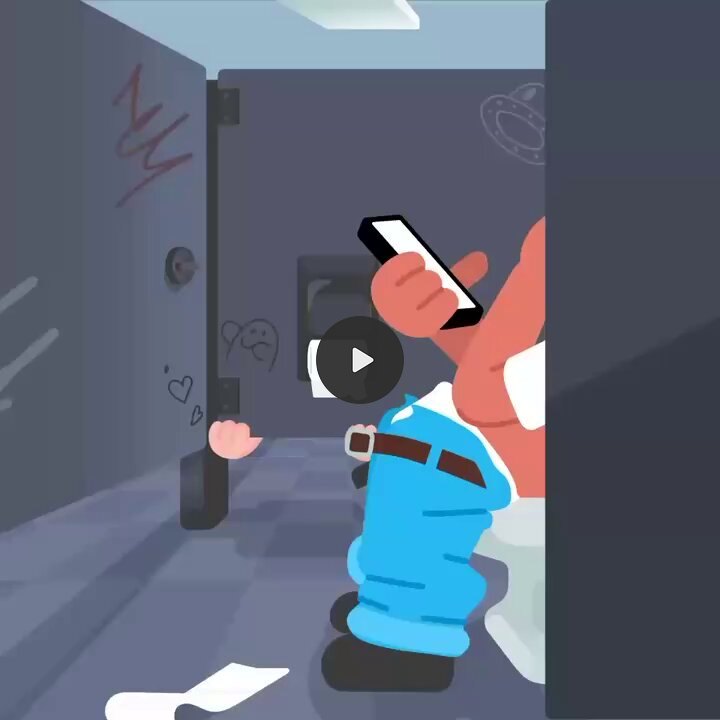
Taking on these big project commitments were all consuming and I decided to take a year off from writing this newsletter and the 20-30 hours weekly commitment that comes with it.
I am sorry for that.
—
2025: AI Vision models are no longer fancy demos
Fast forward to 2025 and the gods of AI gave me many gifts including: GPT 5, Sonnet 4.5, Gemini 3 (particularly nano banana), Agentkits from big AI labs and even more under the radar hyper-specific vision specific models for embedding, retrieval, web search, database research and memory management.
All of a sudden I revived the lousy python script I wrote a couple of years ago to extract changelogs from purchase flows and it blossomed to a more sophisticated 100k line repo.
—
2026+: The birth of Lazyweb.com & the rebirth of First1000
With all the pieces falling into place; capable AI agents, a blossoming vision AI industry, a product that keeps pulling me in to build it… I decided to take sometime off Duolingo, starting 3 days ago, to go all in on building and launching Lazyweb.com.
Lazyweb is the culmination of everything I did manually at Duolingo to do the competitive analysis that often inspired my next big a/b test win.
I know it is a little bit hard to imagine what that would look like or how it would work. I promise it will all make sense in a couple of weeks (:
For now, the closest thing is this tweet from Ryan Hoover

What that means for first1000, is that over this sabbatical from Duolingo, I will use this newsletter to document my journey building Lazyweb.com and getting to 1000 paying subscriber (or miserably failing and learning that the true prize is the friends I made along the way).
This pivot feels right to my bones because I will be telling my story and not an edited semi-fictional PR’d version of a pre-AI company where the landscape and opportunities were completely different.
One thing I know with this pivot is that the Lazyweb.com story will zig and zag. Things will fail and things will work, and I’ll tell you all about it as it happens in near real time.
There will be zero curation and zero thread boy energy in this publication. Think of it more as public journal of a non-technical one-person company leaning heavily on AI to help design, engineer & market Lazyweb.com as well as build small internal tools to accelerate the things I’m uniquely capable of doing; the things I don’t trust the AIs to do.
Mostly expect my musings, experimentation, outcomes and guiding principles I develop (and forego) as I shape my worldview for what it means to be a non-technical person building a 0-1 product for this new AI building era.
And, of course, my tails as I try to scale Lazyweb from 0 to 1000 paying subscribers so I am not poor along this journey.
With ❤️,
Ali Abouelatta