
The Speedrun chapter of Lazyweb is over.
On October 6th we had our demo day. The program didn’t end then. Unlike traditional accelerator programs that culminate in a demo day, Speedrun ends 3 weeks after demo day. There is a whole chapter of fundraising war rooms that happen at the end.
I’ve already written about what it felt like to work alongside the Speedrun founders. The late nights, the people a few desks away, and the things I learned by getting interested in someone else’s problems.
What I haven’t spent enough time on is what those people were building. Today, I wanted to give you a sneak peek into the future, at least from my vantage point having seen what the 80 companies in SR007 are working on, how their ideas evolved, who found traction and who pivoted.

Different companies, shared ingredients
Think about the wave of companies built around a phone knowing where you were. Smartphones, mobile internet and location services enabled a new breed of companies: find someone nearby, coordinate what happens next, and make the transaction easy.
The technology didn’t tell a founder whether to move a person, a meal or a scooter. Their experience, interests and understanding of a market shaped the answer.
Something similar is happening with AI. A few capabilities become useful enough, cheap enough, or reliable enough to make a new set of businesses possible. A lot of founders notice and approach the opportunity differently.
Theme #1: What should we build next?
This is the one closest to home.
Writing software has become cheaper and faster. Figuring out which change will make someone’s life better is still painfully easy to get wrong.
A few companies in the batch are working on different parts of that decision:
Primitive Labs models how people respond to software and agents, so teams can test ideas before exposing real users to them.
Tenera simulates how users will respond to a product change before a team ships it.
ELU finds broken experiences and user drop-offs, then opens code changes to fix them.
Lazyweb belongs here too.
Theme #2: Can a company give AI shared memory?
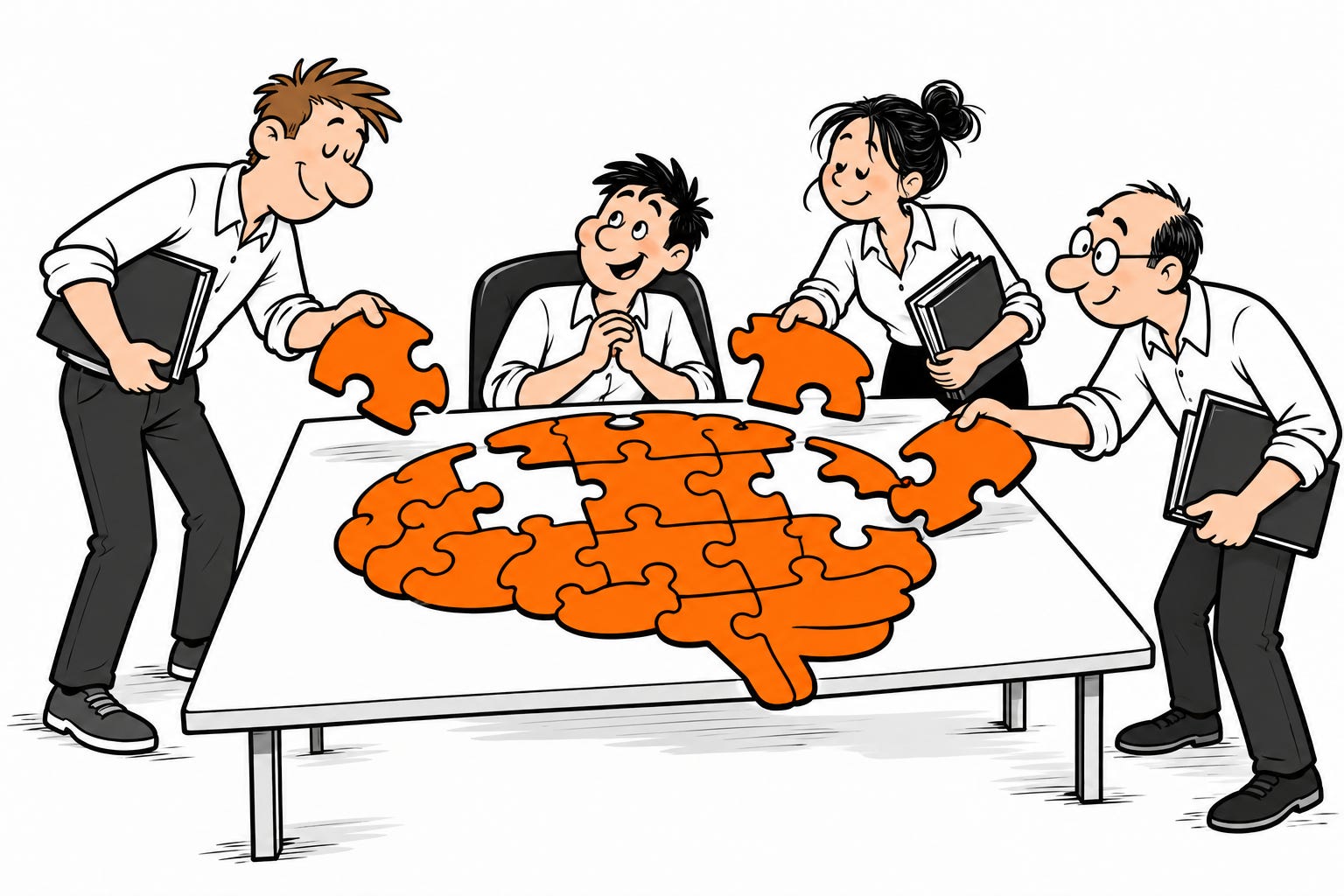
A new employee can be smart and still be useless for their first few weeks. Agents are the same way; without proper context, they can do more damage than provide value.
This is the company-brain theme: how do you give AI enough understanding of a business to do useful work inside it? And build feedback loops to update its priors as it takes ownership of more and more consequential work.
Contxt is building shared memory for a company’s AI agents.
Sonder is building AI that learns a company’s workflows by watching screens.
Infragrid is building AI that turns a company’s workflows into automations.
Alia is building AI that coordinates work across a company’s teams.
Zorbe is building AI models trained on a company’s own work.
Theme #3: AI that fits a specific job
This is what some people refer to as an “industry-specific harness.” This is the equivalent of vertically integrated SaaS in the AI era.
I’ve seen many of these throughout Speedrun 007. In fact, this is the biggest theme of companies by far in this batch.
B2B sales had a strong presence:
Othello is building AI for live sales calls.
Nexor is building AI for revenue recovery.
Cluster is building the tools and data that sales agents need.
The pattern gets more interesting when you leave sales, and move to boring industries which have equally been a big theme in SR007:
Rumbo is building AI for freight forwarders.
Nimble is building AI for freight forwarders.
Colmez is building AI for hazardous-waste companies.
Truli is building AI for consumer-brand compliance.
Alven is building AI for property management.
Baro is building AI for consumer-brand operations.
Rhema Health is building AI for Medicare care coordination.
Vela Energy is building AI for power-project engineering and procurement.
Theme #4: AI-enabled services: buy the finished work
This builds on the previous theme.
The customer might want software to help their in-house lawyer, or they might want the legal work handled. This is the latter category.
OneGC is building an AI-native law firm.
Athena is building an AI-native M&A law firm.
Parca is building an AI-native pre-construction service.
Maestro is building an AI-native luxury travel concierge.
Codos is building an AI-native management consultancy.
Bounty is building an AI-native marketplace for completed work.
Theme #5: What breaks when the end user is an agent?
We’re not prepared for the next billion users of the internet being agents acting on behalf of people and corporations. The internet and the infrastructure supporting it were not built for this.
Companies in our cohort tried to tackle this question: what breaks when there is an agent between your end user and your product?
Who’s using our product? Switchfrog tells companies whether the end user is a human or an agent.
Where do agents get stuck? AgentCat tracks how agents use your MCP, plugin or headless product.
Will it work for different agents? PreMan QAs your tools, APIs & MCPs with different agent harnesses.
How could agents attack it? Kairo simulates attacks to find security gaps before they reach production.
Who covers the damage of AI going rogue? Keythorn insures agentic liability.
How can we red team our security? Abliteration.ai builds unrestricted models for adversarial testing.
This felt like the most “almost here” category at Speedrun. Agents haven’t crossed the chasm beyond coding yet. We’re almost there.
Theme #6: AI for robots, factories and infrastructure
Last but not least, some of the most credentialed founders in SR007 are working on Physical AI.
There are several layers to that bet.
Teach machines about the world:
Superintelligence Foundry is researching AI that learns by acting, experimenting and inventing.
ChronoSpace is building AI models of physical spaces.
Munari is improving the data used to train robots.
Coop is testing AI models on real robots.
Vound is building data and deployment infrastructure for robots.
Build and maintain the physical infrastructure:
Cybernetic Physics is building robots to set up data centers.
KIRA is turning industrial wastewater into clean water for data center cooling.
Motherboard Labs is building AI to diagnose and service robots and machines.
Acaysia is building AI to control industrial reactors.
Bonus theme #7: Consumer and prosumer
There are 11 consumer and prosumer businesses among the 79 public profiles: about 14%.
Within that small(er) group, there are two patterns.
Personal agents and assistants:
Orbits is building a personal agent for families.
Vene Health is building a personal agent for managing chronic care.
Flip is building a personal agent for managing your money.
Cartsy is building a personal agent for shopping from social media.
OpenWhispr is building a private voice assistant.
AI for creative work:
Reelful is building AI for editing video.
Fictional is building AI characters with ongoing lives and stories.
DRS takes a different angle: a bending spoon like approach to building creative consumer AI apps from top notch gaming developers.
--
What a time to be alive. The world is changing underneath our feet in massive ways creating waves upon waves of opportunities that it can be overwhelming just to keep track of.
One thing for sure from watching these companies up close... is that we’re so early.
Ali Abouelatta